How the Electric Car Almost Won – A Look Back in Time
We often think of electric vehicles (EVs) as a new trend, but in reality, they almost became the standard more than a century ago.
In the early 1900s, 40% of all cars were electric. They were quiet, easy to drive, and didn’t need crank-starts like petrol cars did. Some could even reach speeds of over 100 km/h. Petrol cars made up just 20% of the market at that time, while steam cars made up the rest.
So what changed? Historian Josef Taalbi explains that many cities simply didn’t have electric grids back then. Without power, car makers and buyers leaned toward petrol vehicles. If the U.S. had developed electricity just 15 years earlier, the majority of car makers might have chosen electric cars instead.
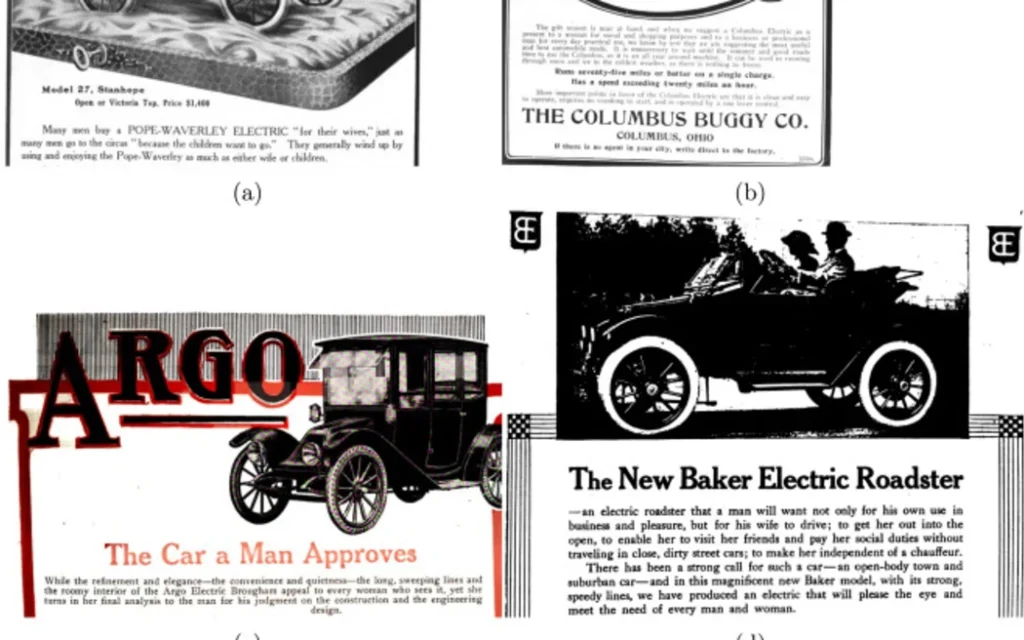
Marketing also played a role. As electric cars were seen as gentle and clean, they were marketed more toward women. This helped sales at first, but later reinforced the idea that electric cars were “feminine,” which made them less appealing to the general public.
Petrol cars were framed as more “manly” because they required physical effort to start. Over time, this image helped push electric cars out of the market.
Taalbi and his team even estimated the environmental cost. If electric cars had continued to grow in popularity, we could have avoided tens of millions of tons of carbon emissions—just by the 1920s alone.
Today, EVs are making a strong comeback. But looking back, we’re reminded that the future once belonged to them—and might have stayed that way if history had played out a little differently.