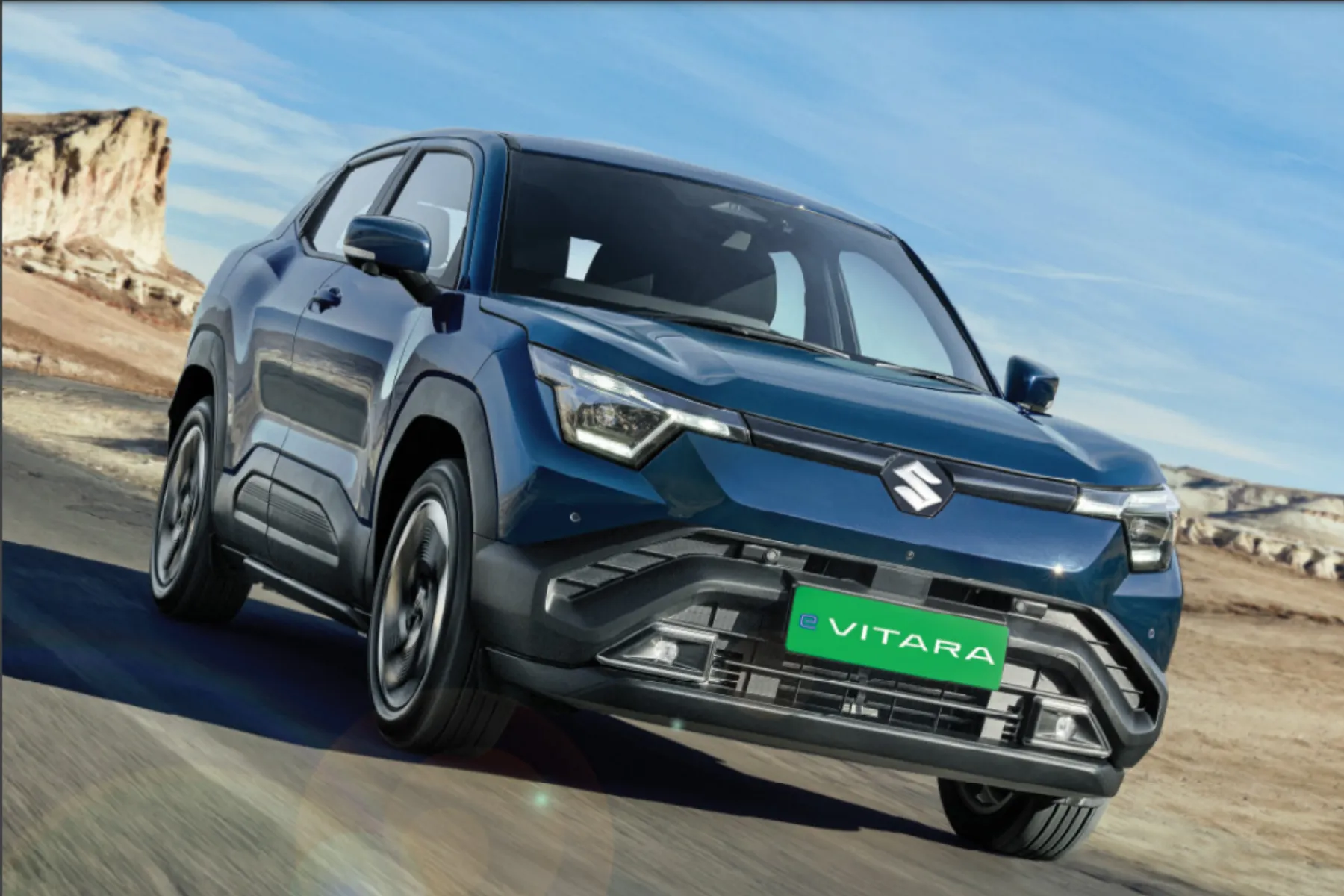
India’s electric passenger car registrations surged 47% year-on-year to 18,041 units in April 2026, according to government data from the Vahan portal, and that figure may still be understated. Industry estimates suggest pending registrations could push the actual growth rate to nearly 50% once fully processed, making April one of the strongest months on record outside the financial year-end rush.
For context, this is not a post-March hangover recovery. April has historically been a quieter month as dealerships reset after the financial year-end and consumers wait out fresh inventory cycles. This year, that pattern has broken, and the data points to a structural shift, not a seasonal blip.
Post-March Momentum: When the Calendar Stops Mattering
The strong April performance follows an already elevated March, when electric car sales grew 68% YoY and electric two-wheeler (E2W) volumes rose 45%, both exceptional numbers driven partly by year-end tax planning and delivery pushes. The fact that April has held firm at 47% growth for cars and 28% growth for E2Ws, reaching 1,29,035 units, suggests that demand is no longer calendar-dependent.
Sustained post-March volumes indicate that consumer intent to buy electric has crossed a threshold where it no longer needs a tax incentive or a financial deadline to convert into a transaction. That is a materially different market from the one India had two years ago.
Policy Momentum
India’s EV growth continues to operate within a supportive policy framework, even as no major new incentives were announced alongside the April data. The central government’s PM E-DRIVE scheme, successor to FAME – II has maintained subsidy continuity for electric two-wheelers and three-wheelers, while the Production Linked Incentive (PLI) scheme for Advanced Chemistry Cell (ACC) batteries is steadily expanding domestic battery manufacturing capacity. Several state governments, including Maharashtra, Rajasthan, and Gujarat, continue to offer registration waivers and road tax exemptions that effectively reduce on-road EV prices by ₹10,000–₹50,000 depending on the vehicle category.
What is notable about April’s numbers is that they arrived without a fresh policy push, meaning the baseline demand itself has strengthened, independent of short-term incentive cycles.
Sustained post-March volumes indicate that consumer intent to buy electric has crossed a threshold where it no longer needs a tax incentive or a financial deadline to convert into a transaction. That is a materially different market from the one India had two years ago.
Ground-Level Proof
A key factor amplifying EV’s value proposition in April has been the sharp deterioration in global energy markets. Crude oil prices have surged by approximately 55-60% since early March 2026, while natural gas prices have risen by around 50% amid ongoing geopolitical tensions in West Asia. The International Energy Agency has characterised the current energy situation as more severe than previous crises, including those of 1973, 1979, and 2022.
India has so far maintained a freeze on domestic retail fuel prices, shielding consumers from the full impact at the pump. However, analysts widely caution that this freeze is fiscally unsustainable if global prices remain elevated, and buyers appear to be pricing in that risk. Inquiries for EVs, particularly in the ₹8-15 lakh passenger car segment and the sub-₹1.5 lakh two-wheeler segment, have risen sharply in dealership data across metros and Tier-2 cities.
Segment Snapshot
Electric two-wheelers (E2Ws) remain the volume engine of India’s EV transition. April’s 1,29,035 units represent a 28% increase YoY, strong in absolute terms, though moderating from March’s 45% peak. The E2W segment now accounts for the overwhelming majority of monthly EV registrations, driven by total cost of ownership advantages that are becoming impossible to ignore as petrol prices threaten to rise.
Electric passenger cars (E4Ws) delivered their 47% YoY jump to 18,041 units, a category that is gradually maturing beyond early adopters. Full-year FY2026 data shows electric passenger vehicle sales reached 2,00,000 units, marking an 87% increase over the prior fiscal year, a milestone that signals the segment has crossed into meaningful mass-market territory.
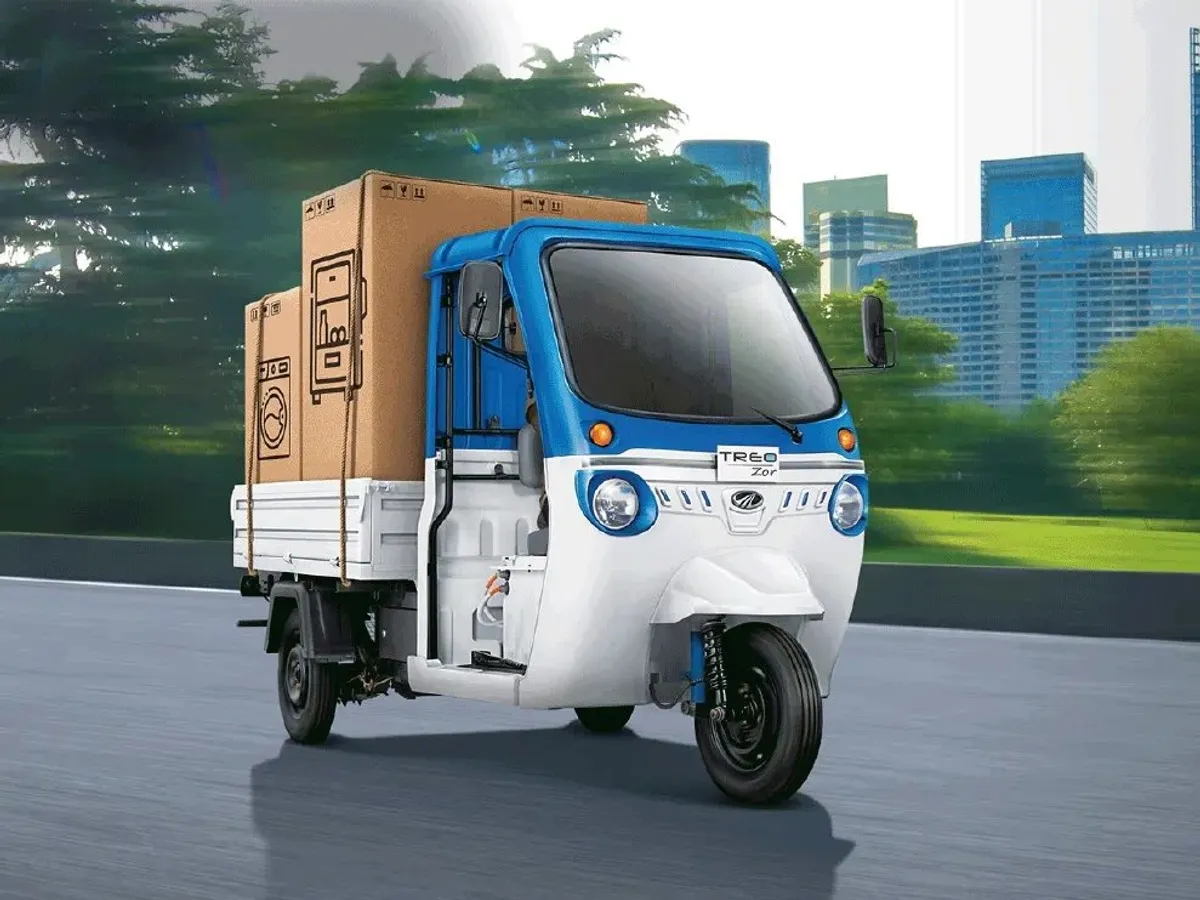
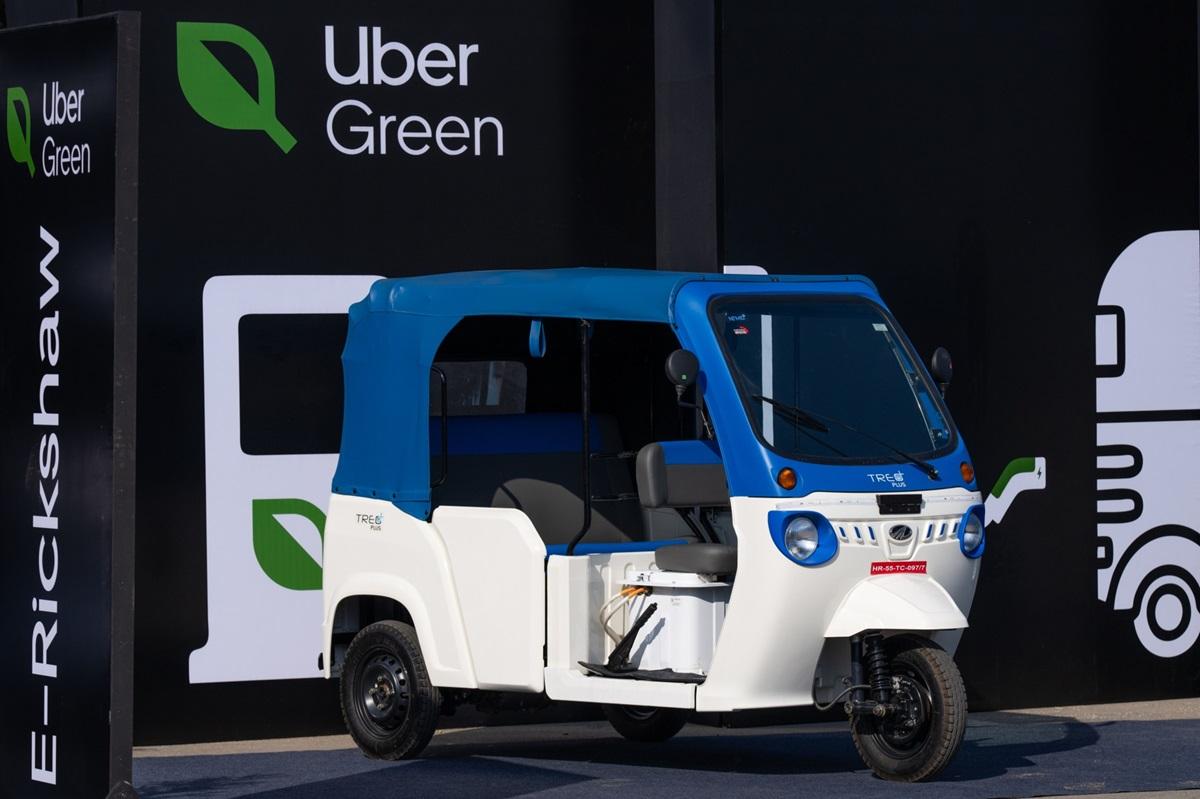
Electric three-wheelers (E3Ws), historically the segment with India’s highest EV penetration rate, were not separately broken out in the April data, but continued fleet expansion in the last-mile delivery and auto-rickshaw categories is expected to sustain strong volumes through the first half of FY2027.
OEM Performance
Tata Motors continued to anchor the electric passenger car segment through its Punch.ev, which has become one of the most accessible entry points into electric car ownership in India’s sub-₹15 lakh market.
Royal Enfield’s Flying Flea, a landmark launch in the premium electric two-wheeler space, has added a new dimension to E2W demand by drawing buyers from a segment, enthusiast motorcyclists, that had previously shown limited EV interest. These launches reflect an industry-wide shift toward portfolio depth rather than single-hero EV products.
What Comes Next
The full-year E2W market reached 14 lakh units in FY2026, establishing a credible base from which the segment is widely expected to push toward 20 lakh units in FY2027 if fuel price pressure persists and charging infrastructure continues to expand. For electric passenger cars, the trajectory toward 3-4 lakh annual units by FY2027 now looks achievable rather than aspirational.
The key variable is domestic fuel pricing. If the government lifts the freeze on petrol and diesel retail prices even partially, the TCO argument for EVs becomes significantly stronger overnight, potentially accelerating adoption curves across all segments. The risk, conversely, lies in supply chain constraints for battery cells and semiconductors, both of which remain partially import-dependent and vulnerable to global disruptions.
What is clear from the April data is that India’s EV market is no longer growing because of policy alone. It is growing because the economics, the product choice, and the geopolitical environment are all pointing in the same direction at the same time.